The IPFA European Forum gathers investors, developers, operators, and policymakers who shape how infrastructure gets built and financed across Europe. When it convened in Amsterdam on 18–19 June 2026, the agenda reflected where the conversation has moved: from whether to finance infrastructure to who controls the intelligence that guides it.
AI Is Becoming Infrastructure
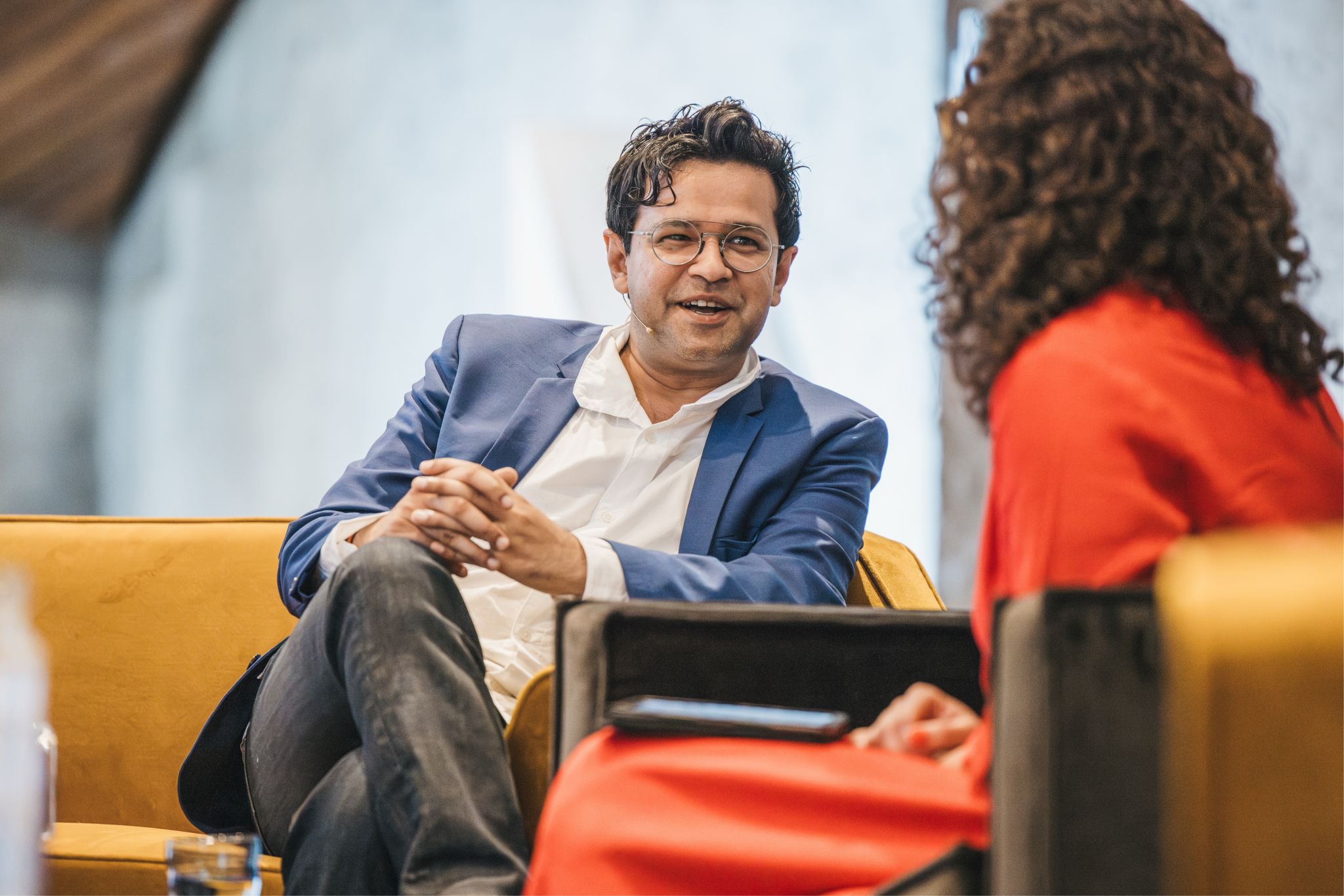
Saurabh Mishra, Founder and CEO of Taiyo.AI, delivered a keynote and joined a fireside discussion with Kelly Demyan that put a clear argument to the room: AI is becoming infrastructure. And infrastructure is becoming geopolitics.
Read next The New Geopolitics: Why Infrastructure is the New Source of Global PowerFor much of the past two years, the debate around AI has focused on models: which ones are most capable, how they are trained, what they cost to run. Increasingly, the binding constraints are elsewhere. Power availability, permitting regimes, transmission capacity, supply chains, capital allocation, institutional memory, and execution capacity now determine what AI can do and where it can operate.
The question, Mishra argued, is no longer whether AI will transform infrastructure. It is whether infrastructure systems are prepared for AI.
Digital Sovereignty as a Board-Level Risk
The forum's sessions also explored the theme of digital sovereignty, a subject that has migrated from policy corridors to boardrooms. The challenge is not simply to reduce dependency on any single provider or jurisdiction. It is to build mutual dependencies that create long-term stability and cooperation while preserving resilience and competitiveness. For infrastructure leaders and investors, this is now a strategic framing question, not a compliance exercise.
Read next Moving Beyond the Tech Race: What National AI Strategies Get WrongA related urgency surfaced across both days: the need to codify institutional knowledge before it disappears. With 41% of the infrastructure workforce approaching retirement, the sector faces a knowledge transfer challenge that no procurement reform or capital programme can fully address on its own. AI, applied well, offers a way to capture and surface hard-won experience across the full project lifecycle, from planning and financing through to delivery and operations.
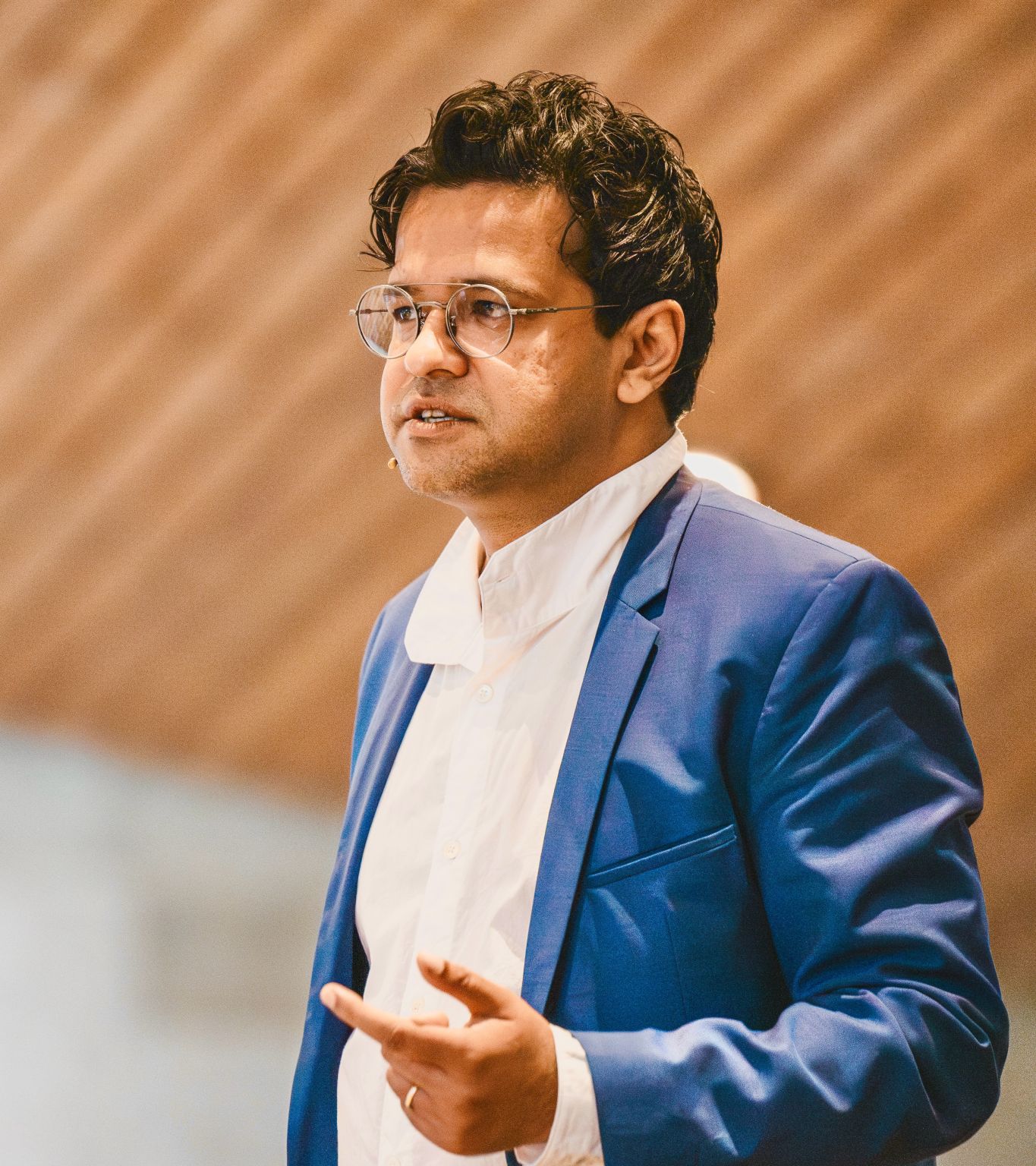
Ansgar Baums joined a separate session on digital sovereignty that complemented these themes, rounding out two days of substantive peer-led discussion on the forces reshaping infrastructure decision-making across Europe.
What the Room Confirmed
The IPFA European Forum brought together a thoughtful cross-section of the European infrastructure community, including investors, developers, operators, and policymakers who are working through these questions in practice rather than in theory.
The Forum's central conclusion resonated with what Taiyo.AI hears across the sector: the organisations that move fastest will not necessarily be those with the largest capital pools or the most advanced technology deployments. They will be the ones that can navigate complex trade-offs with clarity, convene the right partners, and turn intelligence into better long-term decisions.
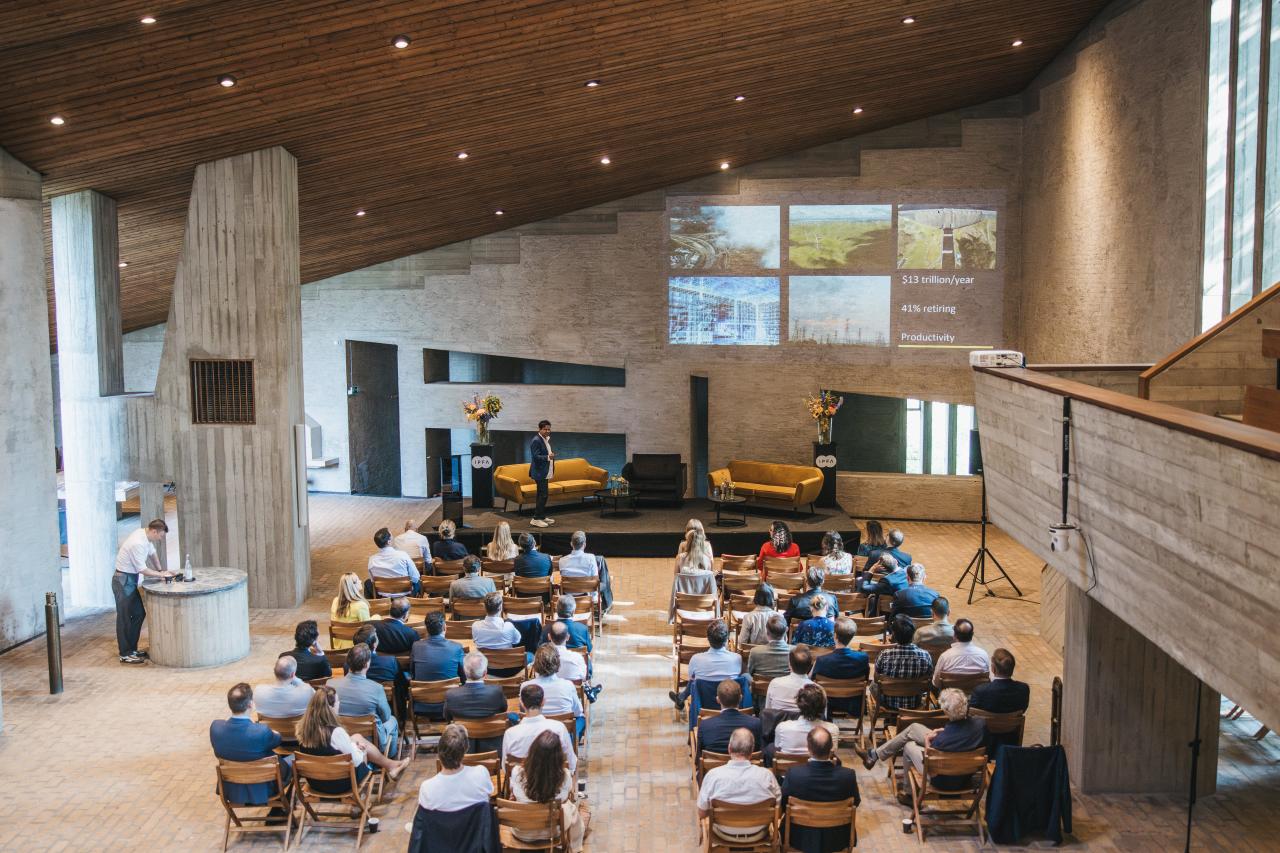
We are grateful to Kelly Demyan, Daisy Brooker, and the IPFA team for convening such a substantive gathering, and we look forward to continuing these conversations as the European infrastructure community works through what comes next.
Follow us on LinkedIn for more updates.